Wireless Instead of Cables in the Cold Rolling Mill
Fewer cables. Fewer faults. Greater uptime.
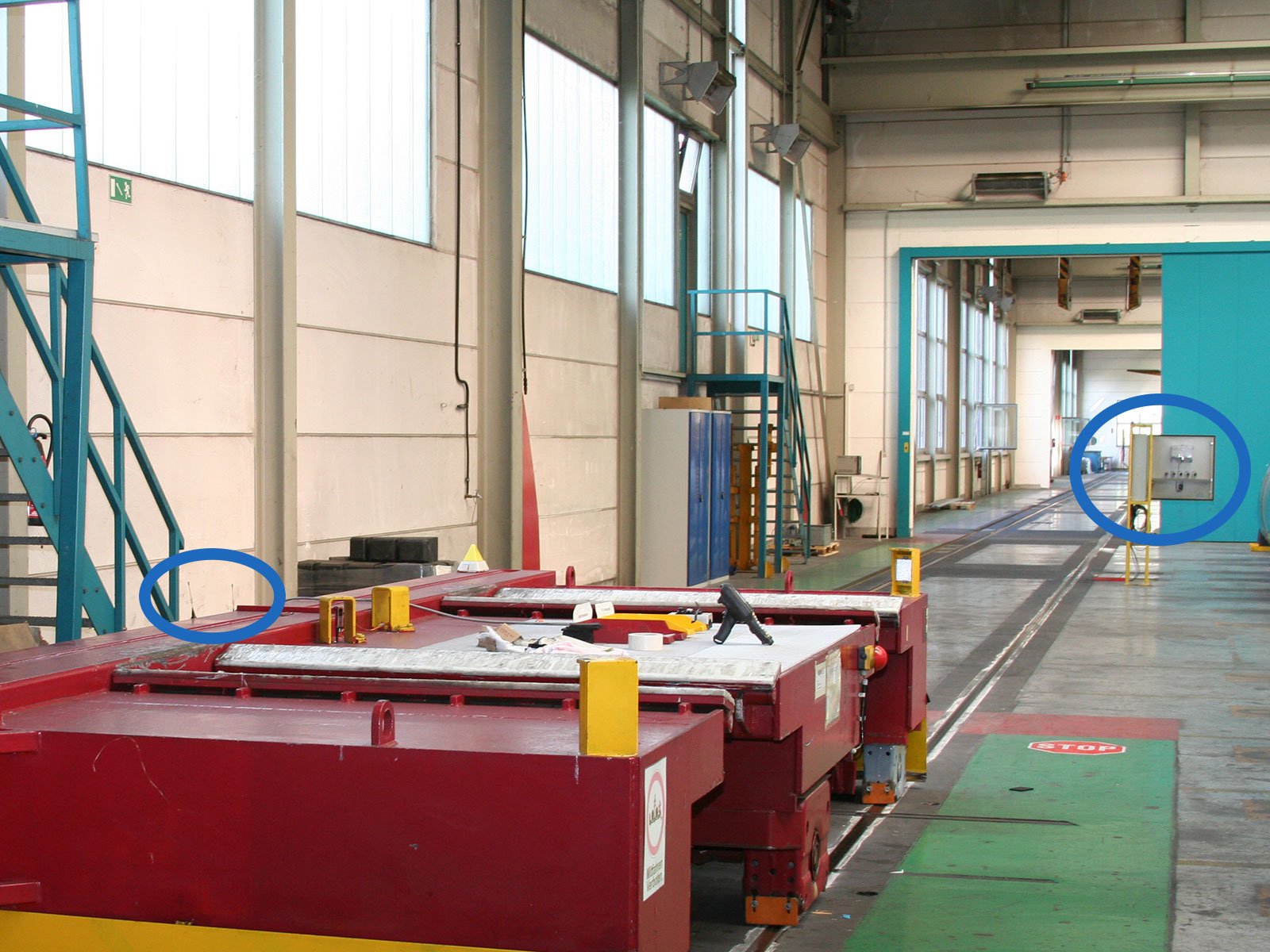
This case study demonstrates how DATAEAGLE wireless technology ensures reliable material transport over distances of 100 metres.
Application
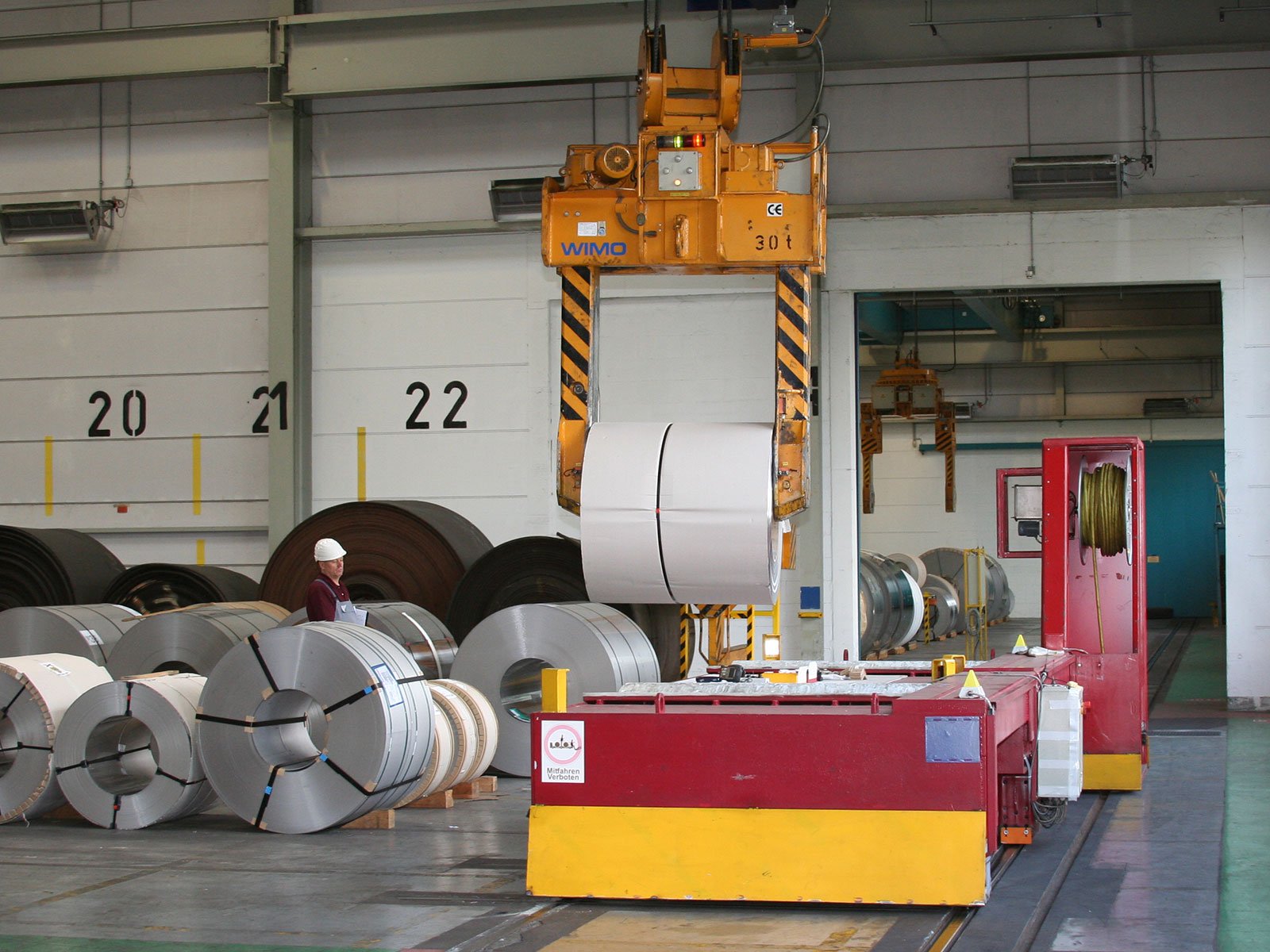
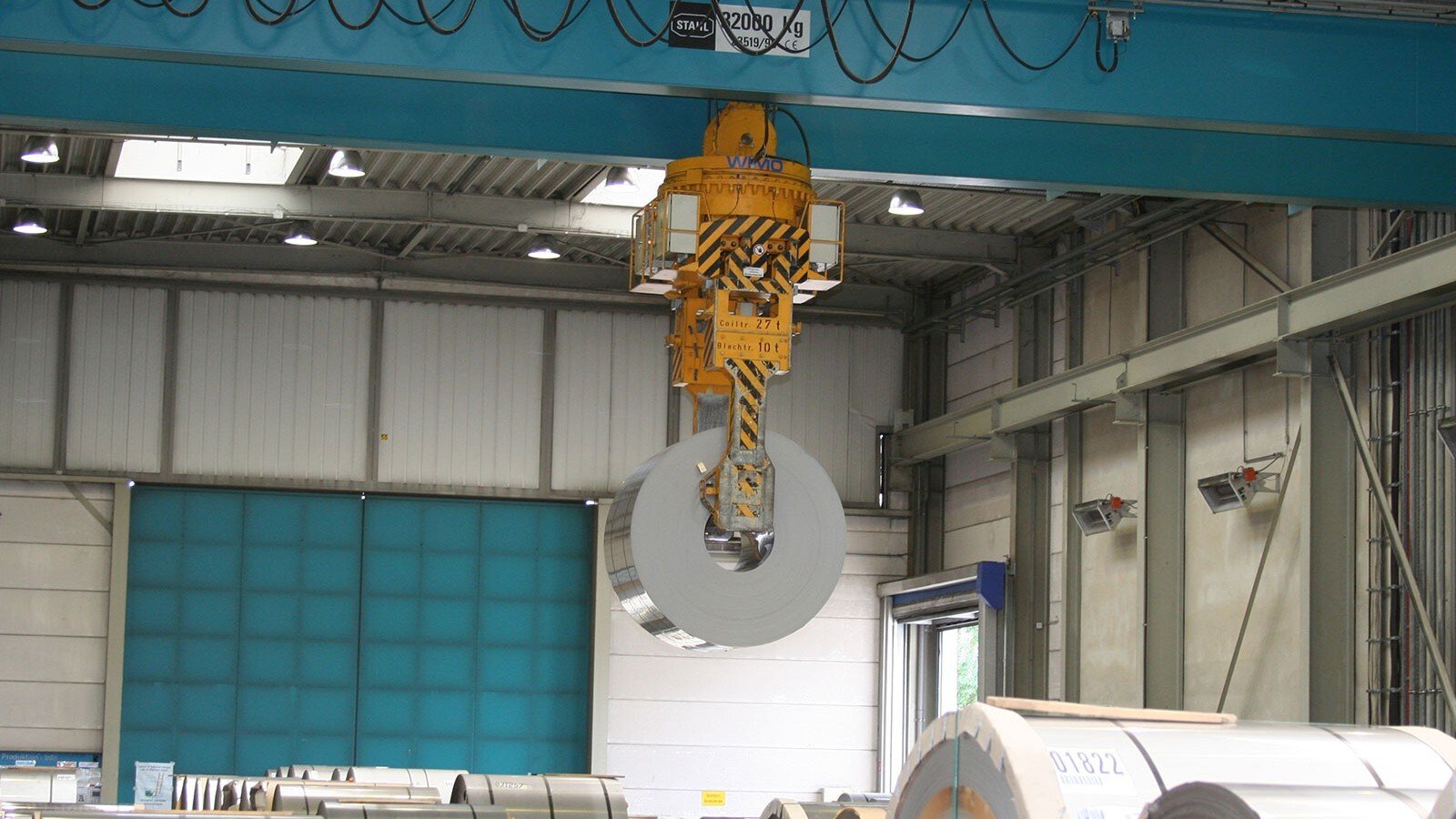
In cold rolling mills, heavy loads such as stainless steel coils are transported over long distances within the production halls. The vehicles used for this purpose ensure a smooth flow of materials between production and storage and are controlled automatically.
Traditionally, data and signal transmission between the control system and the vehicle is carried out via wired solutions, often based on PROFIBUS.
Challenges
Wired transmission causes problems in industrial applications: constant mechanical stress often leads to cable wear and breakage, which increases maintenance costs and downtime.
Particularly in metallic environments such as rolling mills, and over long transmission distances, stable and reliable communication is crucial for the availability of transport vehicles and, consequently, for the entire production process.
Solution
Wireless PROFIBUS communication using DATAEAGLE 3715 radio modules was implemented as a replacement for wired signal transmission.
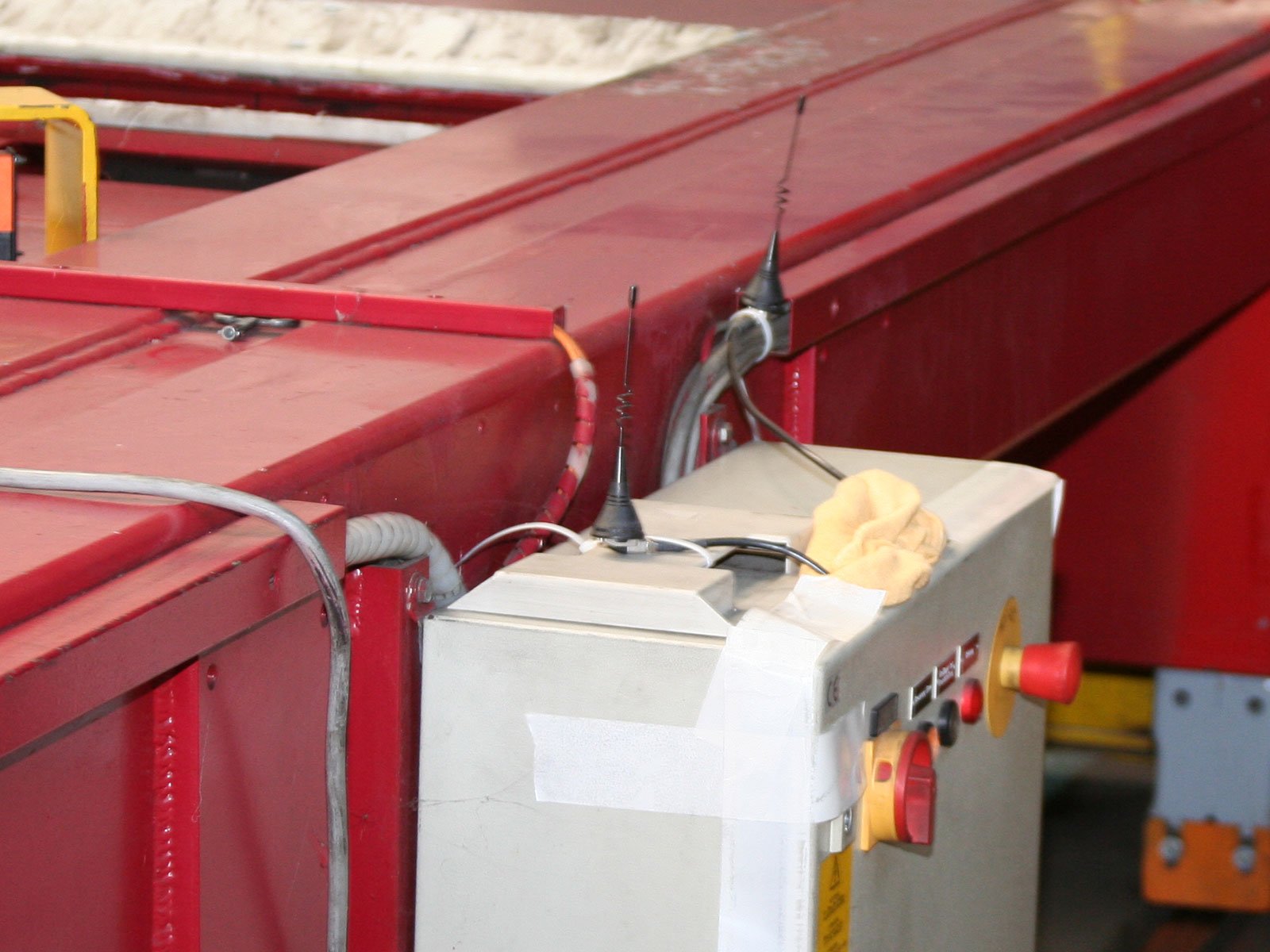
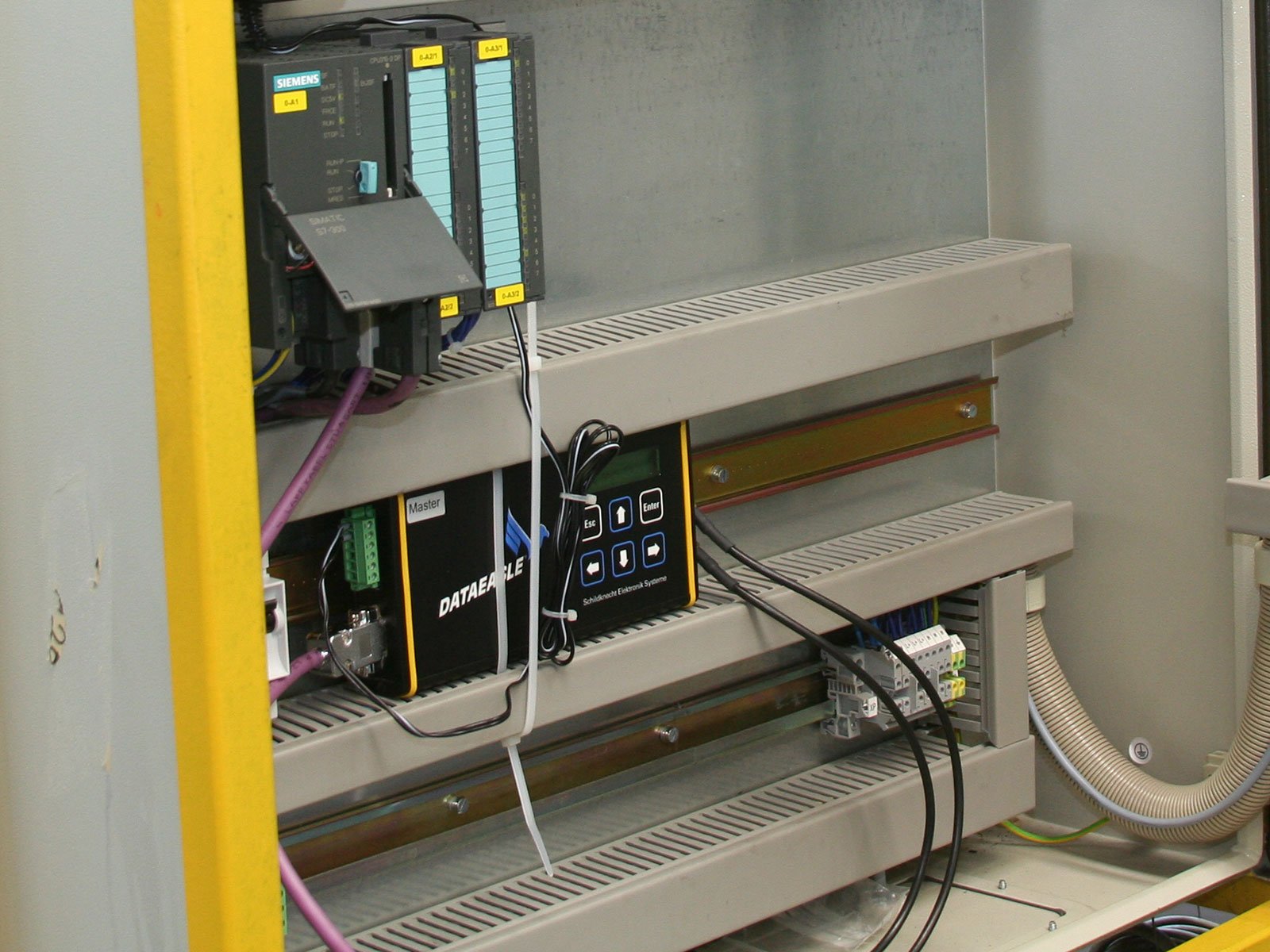
A DATAEAGLE slave was integrated into the vehicle and fitted with an antenna, whilst the DATAEAGLE master, which is connected to the control system, is located in the central control cabinet.
The Bluetooth technology used enables a stable wireless connection even over long distances and in metallic environments. In addition, the patented data pre-processing ensures a particularly high level of operational reliability by compensating for potential signal interruptions.
The vehicles continue to be powered via a wired connection, whilst data transmission is handled entirely via wireless communication.
Products used
- DATAEAGLE 3715 Radio Module (Master/Slave)
- PROFIBUS DP communication
Result
The wireless solution has been successfully implemented at Aperam Stainless Services & Solutions in Sersheim over a distance of more than 100 metres.
Since commissioning, wireless data transmission has been running smoothly and without disruption. At the same time, maintenance effort and costs have been significantly reduced, as cable-related failures are no longer an issue.
The switch to wireless technology has increased operational reliability, improved the availability of transport vehicles and proven to be a sustainable and cost-effective solution for intralogistics.