Applications

Highly automated galvanizing line with a radio system

<span id="hs_cos_wrapper_name" class="hs_cos_wrapper hs_cos_wrapper_meta_field hs_cos_wrapper_type_text" style="" data-hs-cos-general-type="meta_field" data-hs-cos-type="text" >Highly automated galvanizing line with a radio system</span>

When cranes become part of automated production processes, communication is key to ensuring quality and efficiency.
This case study from a galvanising plant demonstrates how radio technology ensures smooth operations even under demanding conditions.

Application

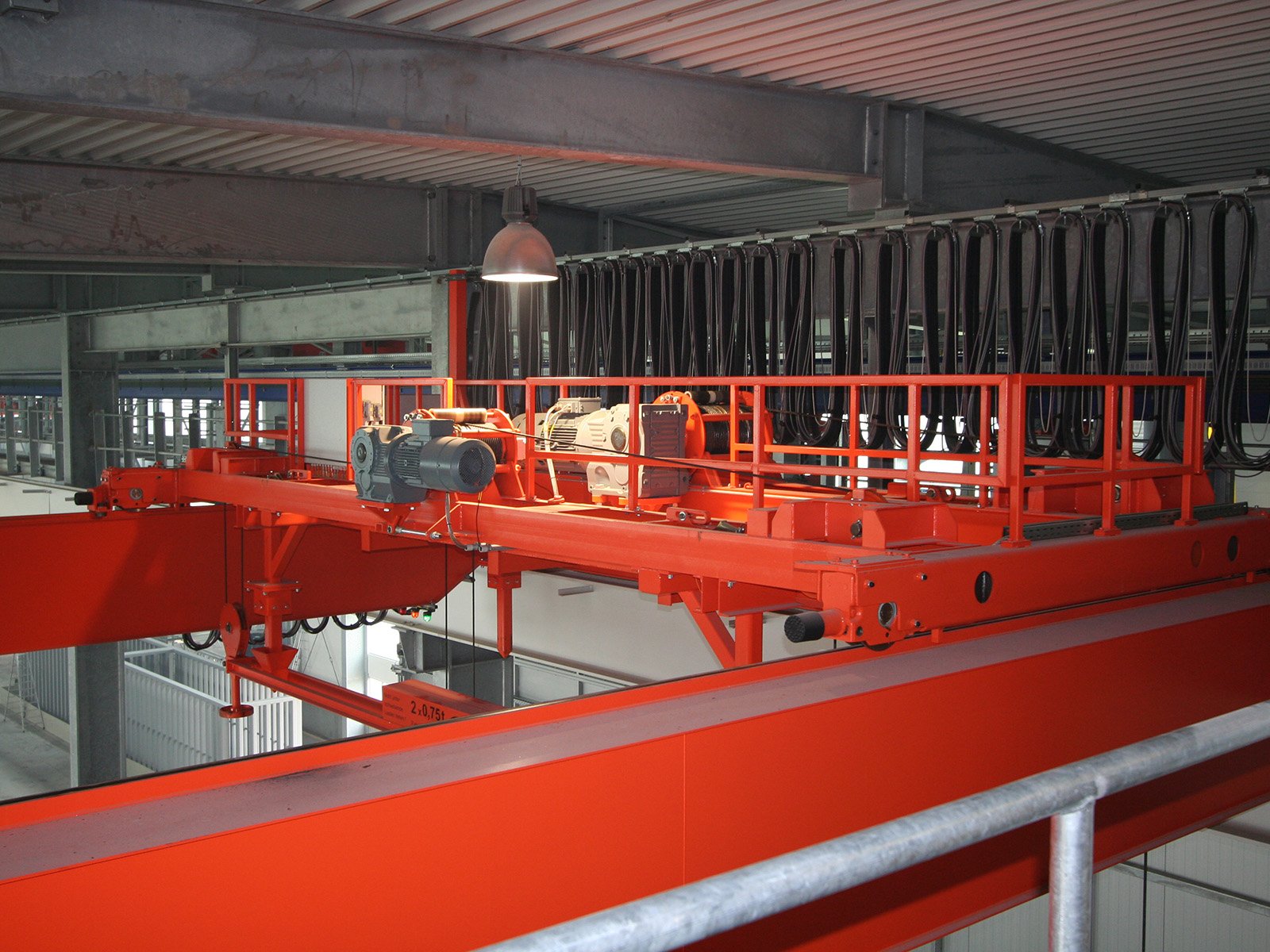
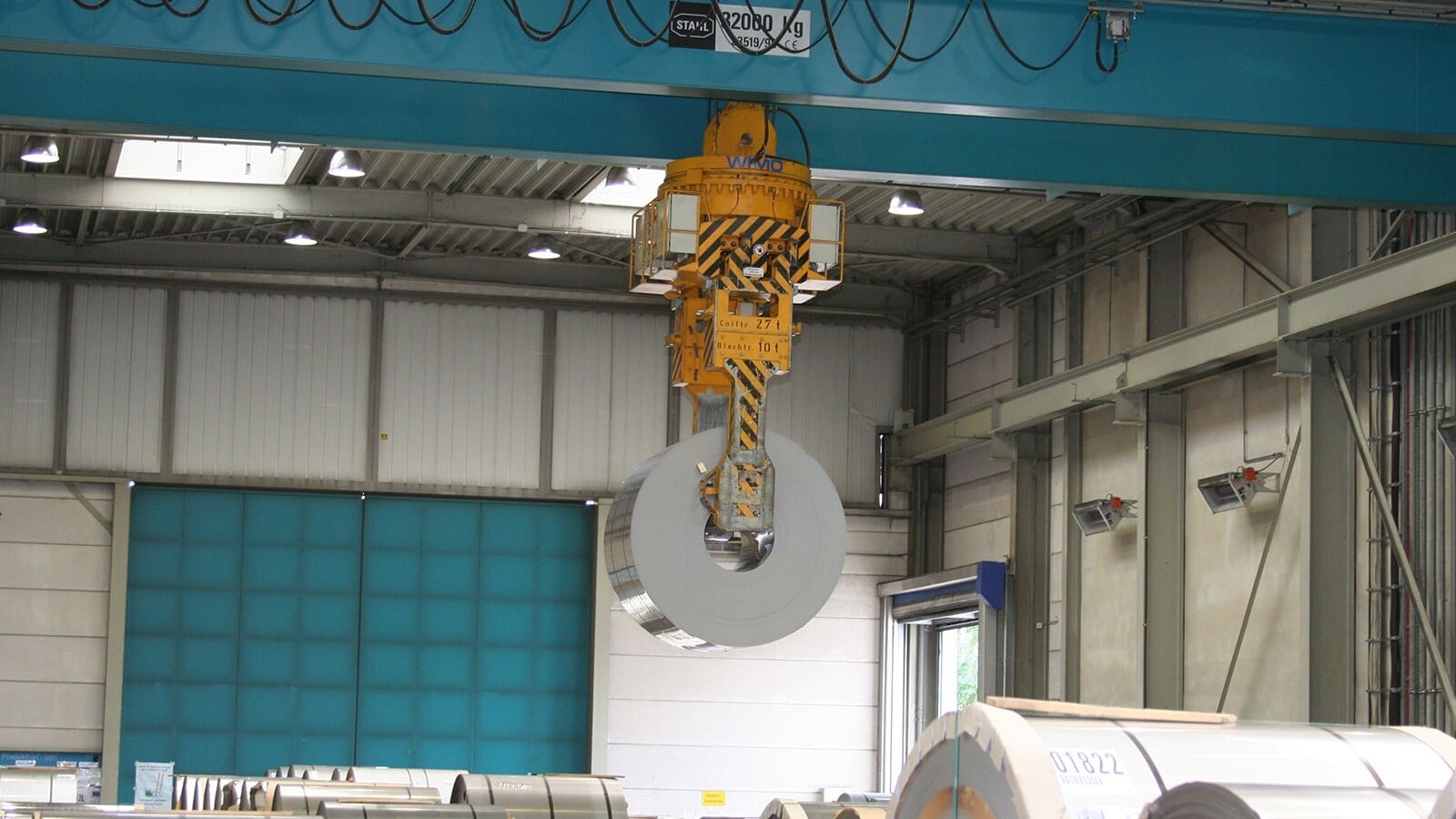
In modern manufacturing processes, cranes are increasingly taking on key roles in internal material flow. Particularly in surface treatment, such as the galvanising of metal workpieces, they transport components precisely through various processing stages.

The cranes are fully integrated into an automated system and communicate with the central control system via fieldbus technologies such as PROFIBUS or PROFINET.

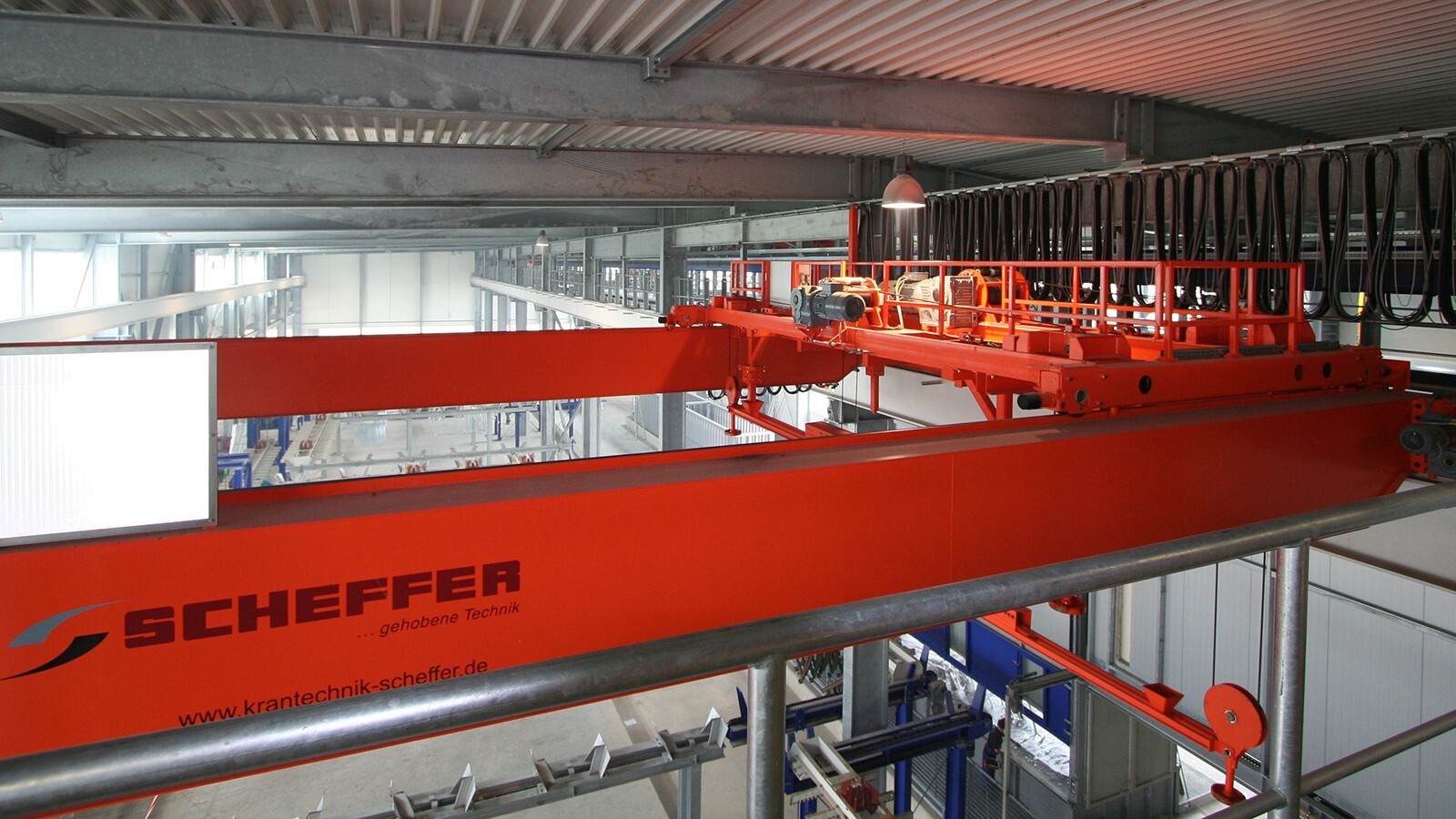
One example of this is the OBO Bettermann Metal Competence Centre, where a highly automated hot-dip galvanising plant featuring modern crane technology from Scheffer has been installed.
 

Challenges

The demands placed on communication are high: the cranes are in constant motion and must be controlled reliably at all times. Traditional solutions such as slip rings reach their limits in such applications, as they are subject to mechanical stress and represent a potential source of error.

Furthermore, complex movement sequences, restricted line-of-sight connections and demanding environmental conditions make it difficult to achieve stable data transmission. At the same time, simple commissioning as well as maintenance and diagnostic options are essential, particularly for parts of the system that are difficult to access.

Solution

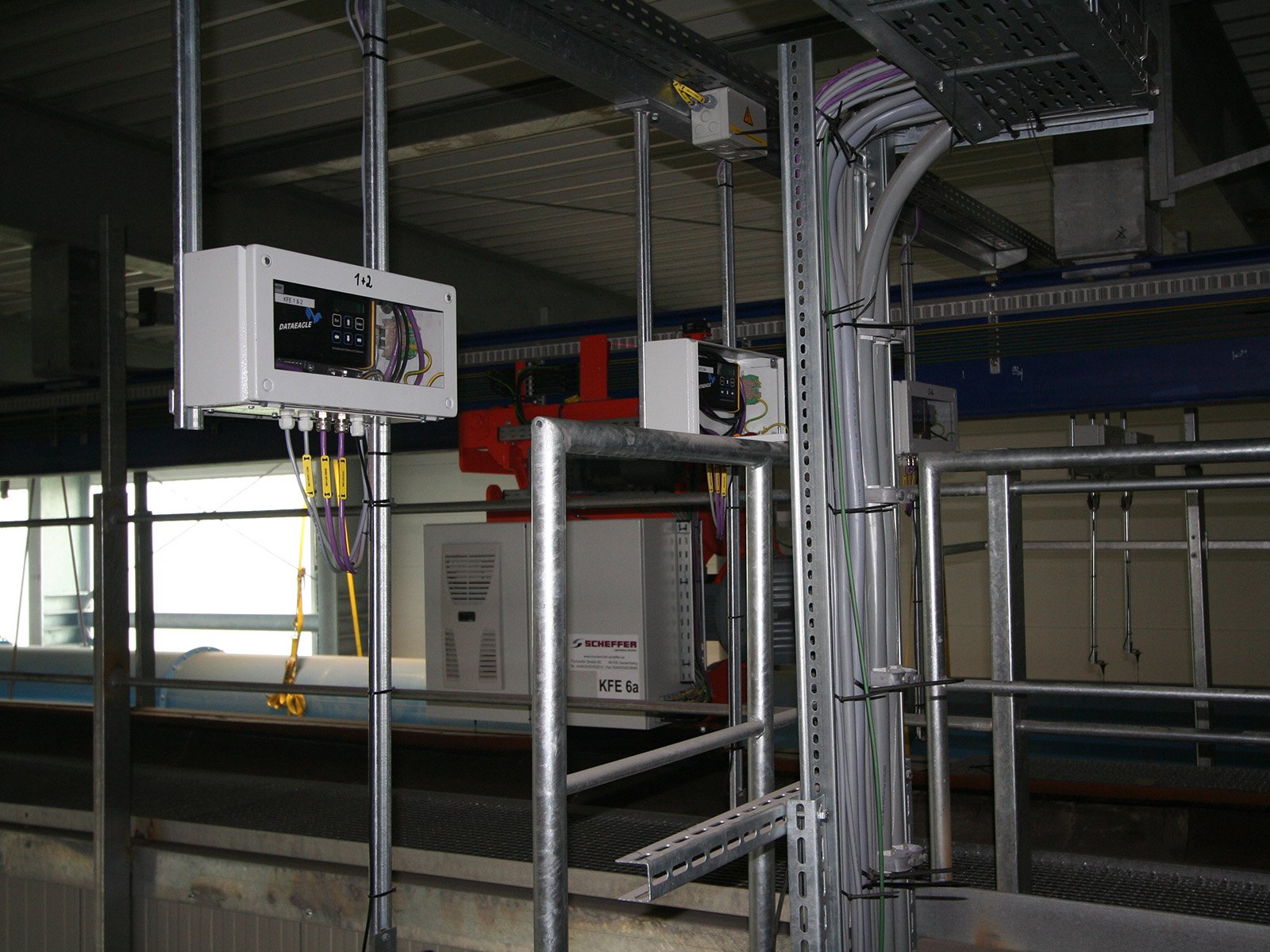
To ensure stable, low-maintenance communication, DATAEAGLE 3000 Series radio modules were used, which were specifically developed for the wireless transmission of PROFIBUS data.

The radio link replaces traditional cable connections and enables transparent, bidirectional communication between the control system and the crane. Position data and movement commands are transmitted every 30 milliseconds over a distance of around 50 metres.

The integrated, patented filter technology ensures that no bus errors occur, even in the event of potential interference. This is supported by the use of frequency-hopping Bluetooth, which has proven to be particularly robust and interference-resistant in industrial environments.

Products used

  • PROFIBUS wireless data transmission system
  • DATAEAGLE 3712 radio module 

Result

The radio solution has proven to be extremely reliable in day-to-day operation. Despite challenging conditions such as limited line of sight, communication remains stable and free from interruptions.

This results in higher plant availability, more efficient production and consistently high product quality.

Kurt Kimm, M.Eng., Head of the Electrical Engineering Department at Scheffer Krantechnik, sums it up:
“In crane technology, we have relied on the use of fieldbus radio links from Schildknecht AG for many years.”